


When people export garments from India, packaging is often treated as a minor detail—something that simply protects the product during transit. However, packaging is not exempt from Indian regulations, even when the shipment is destined for international markets.
Items prohibited under Indian plastic regulations remain prohibited for export packaging as well. Thickness requirements, labeling rules, documentation, and traceability standards must still be followed to ensure legal compliance.
This is not merely a regulatory guideline. Authorities across India have already conducted more than 8.6 lakh inspections, seized nearly 2,000 tonnes of illegal plastic, and imposed penalties on thousands of businesses found violating the country’s single-use plastic regulations.

That’s why conversations around legal packaging for garment exporters have become more important than ever. As regulations continue to evolve, businesses must ensure their packaging complies with Indian laws while also meeting the sustainability expectations of international buyers.
In this guide, you’ll learn:
- What packaging materials are actually banned in India.
- Which packaging options are still legally permitted.
- How garment exporters can build packaging systems that are both compliant and commercially practical.
Read on to understand how you can successfully navigate India’s packaging transition without disrupting your export operations.
What Type of Packaging Is Actually Banned in India?
To understand the Indian plastic packaging regulations, it’s important to know that the government has not banned all plastic. Instead, the ban targets specific low-utility and difficult-to-recycle plastic products that contribute significantly to environmental pollution.
Unfortunately, many of these materials still find their way into export packaging. Below are the categories exporters should avoid.
Thin Plastic Carry Bags
Plastic carry bags with a thickness below 120 microns (and certain non-woven plastic bags below 60 GSM) are prohibited under current Indian regulations. These materials are difficult to collect, recycle, and process efficiently.
Even when used as secondary or inner packaging, these bags remain non-compliant and can expose exporters to regulatory penalties.
Certain Single-Use Plastic Items
Disposable plastic products such as cutlery, plates, straws, stirrers, and expanded polystyrene (thermocol) packaging are banned. These items occasionally appear in promotional kits, garment accessories, or premium gift packaging.
Including any prohibited single-use plastic item—even unintentionally—can result in compliance issues during inspections.
Non-Certified “Biodegradable” or “Oxo-Degradable” Plastics
Many products marketed as biodegradable do not meet recognized compostability standards. Instead of naturally decomposing, these materials often break into microplastics that remain in the environment.
Unless properly certified, these materials are treated as conventional plastic under Indian regulations, making their environmental claims legally questionable.
Packaging Without Proper Documentation
Compliance extends beyond the packaging material itself. Suppliers should provide documentation such as EPR registration details, material declarations, and compliance certificates.
If these documents are unavailable, the packaging may already be considered high-risk from a regulatory perspective. For exporters, compliance is not only a legal requirement but also an important factor in maintaining buyer confidence and protecting brand reputation.
What You Can Legally Use
Although certain materials are prohibited, many sustainable packaging options remain fully compliant when they satisfy India’s regulatory requirements.
Thick Mono-Material Plastic Bags
Plastic bags manufactured from a single recyclable material such as LDPE or PP are still permitted, provided they comply with the minimum thickness requirement of 120 microns.
Mono-material packaging is preferred because it can be recycled through existing waste management systems. However, proper traceability, supplier declarations, and EPR compliance remain essential.
Certified Compostable Materials
Certified compostable packaging is legally permitted when it complies with Indian compostability standards. These materials decompose into natural compost without leaving harmful residues, making them an environmentally responsible choice for garment packaging.
To remain compliant, exporters should always verify certifications and ensure the packaging is correctly labelled.
Paper-Based Packaging
Recycled kraft paper, corrugated cartons, paper mailers, and paper sleeves are widely accepted for garment exports. These materials are recyclable, easy to process, and supported by established recycling systems worldwide.
Reusable Textile Packaging
Fabric pouches, cotton bags, canvas covers, and jute sleeves provide sustainable alternatives for premium garment brands. Besides reducing waste, reusable packaging enhances the customer experience and aligns with growing sustainability expectations in international markets.
Practical Packaging Mix for Exporters
In reality, most garment exporters don’t require a single packaging material for every application. Instead, an effective packaging system combines different materials based on protection, compliance, and sustainability.
Inner Layer: Direct Garment Protection
The innermost layer protects garments against dust, moisture, scratches, and handling damage during transportation and storage.
Common options include:
- Certified compostable garment bags.
- Lightweight recyclable LDPE garment bags.
- Protective tissue paper wrapping.

If plastic is used for garment packaging, it should always be kept to a minimum. More importantly, it must comply with Indian regulations and should ideally be made from a single recyclable material (mono-material) to simplify recycling and improve compliance.
Middle Layer: Sorting and Grouping
The middle packaging layer is designed to organize garments before shipment. It typically includes size-based pouches, bundle sleeves, paper envelopes, or product grouping solutions that make inventory handling easier.
Paper-based materials are particularly effective for this stage because they reduce overall plastic consumption while maintaining product organization and presentation.
Outer Layer: Transport and Shipping
The outer packaging must provide maximum protection throughout domestic handling and international transportation. Corrugated cartons, reinforced paper boxes, and paper mailers are among the most reliable choices for export shipments.
Where sealing is required, plastic tape should be used sparingly. Whenever possible, opt for paper-based adhesive tape to further improve the sustainability of the overall packaging system.
Why this layered approach works:
Using separate materials for the inner, middle, and outer packaging layers allows garment exporters to balance product protection, regulatory compliance, sustainability, and operational efficiency—without disrupting existing logistics processes.
Best Practices to Ensure Compliance
Building a compliant packaging system is not a one-time task. It requires consistent supplier management, proper documentation, and regular compliance checks as regulations continue to evolve.
Work Only with Documented Suppliers
Your packaging supplier should always be able to provide complete documentation supporting the materials they manufacture and supply.
Before placing a bulk order, ask for the following:
- EPR (Extended Producer Responsibility) registration details.
- Material specifications and technical data sheets.
- Recycled content declarations, where applicable.
- Compostability certifications for certified compostable packaging.
Without proper documentation, your business faces greater compliance risks, particularly as enforcement of packaging regulations becomes more stringent.
Avoid Vague Sustainability Claims
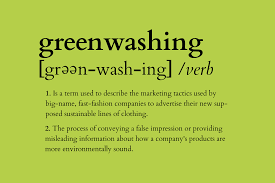
Terms such as “green,” “eco-friendly,” or “biodegradable” should never be used without credible third-party certification. Unsupported environmental claims can expose businesses to allegations of greenwashing and may damage brand credibility.
Instead, use clear, verifiable language supported by recognized certifications and compliance documents. This not only strengthens legal compliance but also builds greater trust among international buyers and sustainability-conscious consumers.
Design for Destination-Country Regulations
Packaging that complies with Indian regulations may not automatically meet the legal requirements of countries such as Germany, the United Kingdom, or the United States. Every market follows its own recycling infrastructure, packaging standards, and environmental regulations.
For example, certified compostable packaging is not universally accepted across all countries. Before finalizing your packaging, evaluate how it will be collected, recycled, or composted in the destination market. True export packaging compliance requires understanding both Indian regulations and the environmental policies of the importing country.
Prepare for Traceability Requirements
From 2025 onward, traceability has become increasingly important across global packaging regulations. Many packaging formats now require unique product identifiers, QR codes, batch tracking, and digital reporting to improve transparency throughout the supply chain.
Exporters who implement traceability systems early will find it much easier to comply with future regulations while avoiding costly disruptions.
Audit Your Packaging Regularly
Packaging regulations continue to evolve, and international buyers frequently update their sustainability requirements even faster than government legislation.
Conducting annual internal packaging audits allows your business to identify compliance gaps, review supplier documentation, and replace outdated materials before they become regulatory issues.
Best Practice:
Regular audits, documented suppliers, certified materials, and destination-specific packaging standards all contribute to long-term EPR compliance while strengthening your brand’s reputation as a responsible and trustworthy garment exporter.
Getting Started with Compliant Packaging
Moving forward, the exporters that will remain competitive are those that treat compliance as a long-term business strategy rather than simply another legal obligation.
At Murth, we’ve observed that businesses adopting sustainable packaging solutions early often experience smoother buyer approvals, fewer compliance concerns, and stronger long-term customer relationships.
Our objective has always been to help brands transition toward certified, compliant packaging solutions that are practical, scalable, and commercially viable—not simply environmentally appealing.
If you’re just beginning your sustainability journey, start by reviewing every packaging component currently used across your operations. Identify materials that are prohibited, those that present compliance risks, and those that are future-ready.
Rather than replacing everything immediately, implement changes step by step. This phased approach makes legal packaging compliance both manageable and cost-effective.
Frequently Asked Questions
No. India has not banned all plastic packaging. The regulations primarily prohibit specific single-use plastic items and thin plastic carry bags. Several recyclable plastic packaging formats remain legal when they comply with current regulations.
Not necessarily. Compostable packaging should always be certified, properly labelled, and compatible with the waste management infrastructure of the destination country. The most suitable packaging depends on your export market and customer requirements.
Yes. Indian packaging regulations apply regardless of whether products are sold domestically or exported internationally. Export shipments must also comply with the packaging laws of the destination country.
Extended Producer Responsibility (EPR) requires producers and brand owners to take responsibility for the collection, recycling, and environmentally sound disposal of packaging waste. EPR compliance influences supplier selection, documentation, reporting, and long-term sustainability planning.
The most effective strategy is to use packaging that is minimal, recyclable or certified compostable where appropriate, fully documented, traceable, and aligned with both Indian regulations and the sustainability expectations of international buyers.