

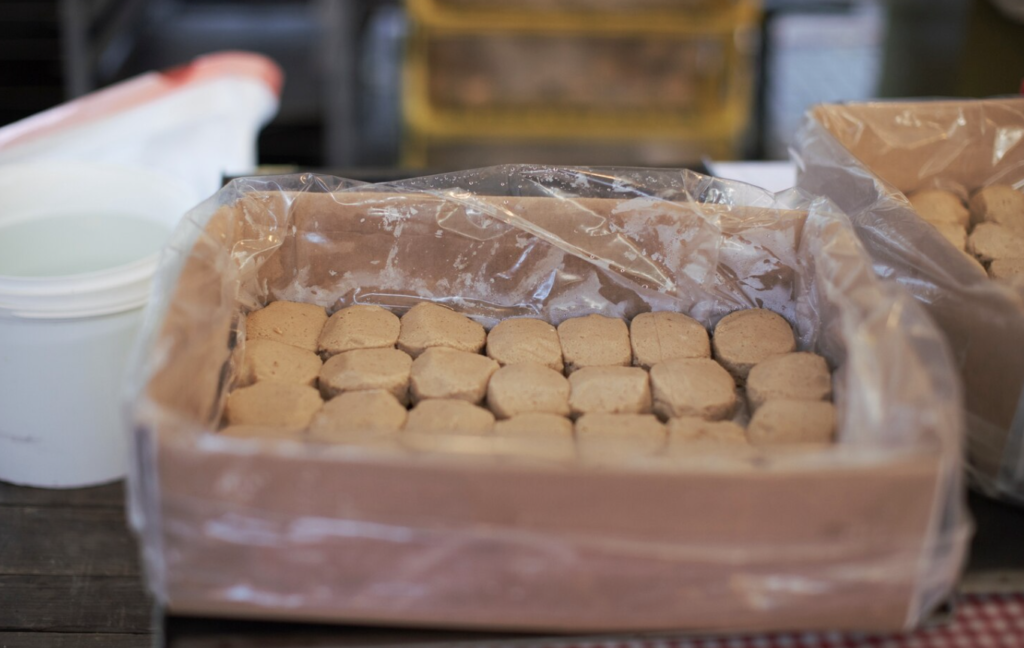
First, a word on plastic.
Plastic did not become dominant because people loved plastic.
It became dominant because it was cheap, light, sealable, printable, and easy to run at scale.
Of course that is still true. The global flexible packaging market was worth about $293 billion in 2025. Now it is expected to cross $440 billion by 2033.
In India, flexible plastic packaging is already a $15 billion market and growing steadily as food, pharma, and e-commerce demand rises.
So that is the real benchmark any alternative has to meet.
But with the growing rules on single-use plastics, brands are under pressure to reduce waste. And consumers’ awareness about a product’s end-of-life impact is also rising.
Flexible packaging works extremely well in production and distribution. But at end-of-life, thin films are one of the hardest formats to recover through recycling systems. Many packs are too thin, too contaminated, or too complex to process at scale.
The compostable flexible packaging market is small compared to conventional plastics. So what does it actually mean?
Compostable flexible packaging has to meet two requirements:
- the performance side
- the waste side
And to understand whether it is useful or just overpromised, we first need to get very clear on what the term actually means.
What Is Compostable Flexible Packaging?
Compostable flexible packaging is packaging made in thin, bendable formats that is designed to break down.
Under composting conditions, the packaging product must disintegrate into natural elements such as carbon dioxide, water, biomass, and mineral residues, without leaving harmful toxic residue behind.
That definition has two important parts:
- Flexible packaging: this means packaging that bends, folds, wraps, seals, or conforms to shape rather than holding a fixed rigid form.
- Compostable packaging: this means a material that is engineered and tested to break down in a managed composting environment in a way that is measurable and testable.
That is a much stricter standard than the way the word is often used in marketing.
In practice, most compostable or biodegradable flexible packaging is used when a brand needs the advantages of film based packaging but wants an end-of-life pathway other than conventional plastic disposal.
That may be because of food contamination, mixed waste streams, municipal policy pressure, brand sustainability targets, or specific use cases where collecting and recycling thin films is difficult.
A banana pouch, a garment bag, an e-commerce mailer, and a compostable produce liner may all look very different.
But they belong to the same family because they all rely on flexible film structures rather than rigid moulded parts.
Not all compostable packs are the same, and not all are meant for the same disposal route. Some are designed around industrial composting conditions. Some may have limited home compost suitability depending on certification standards and composting conditions.
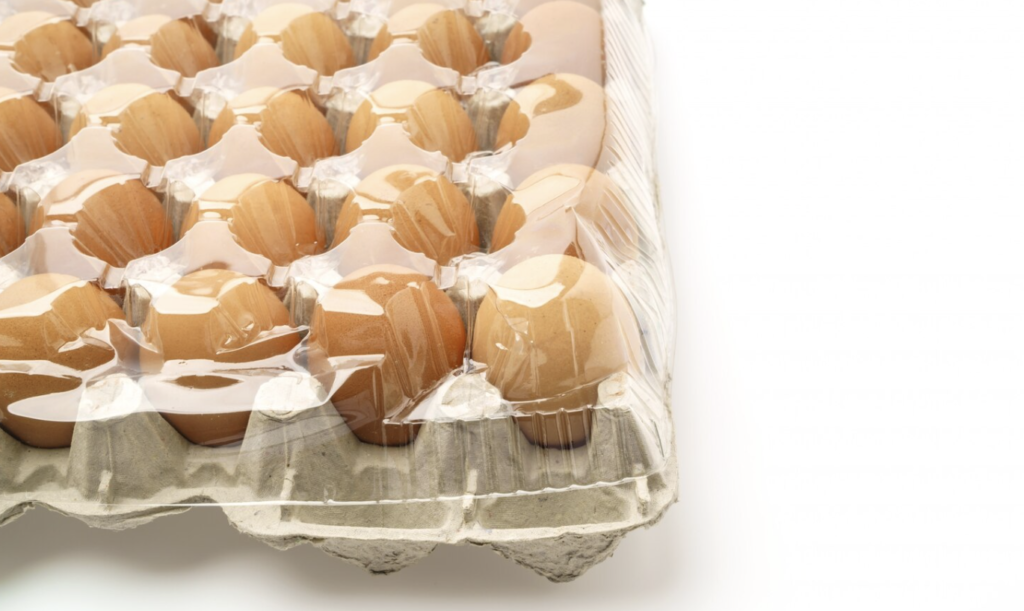
Types of Compostable Flexible Packaging for Businesses
The most credible use cases for biodegradable flexible packaging appear where conventional flexible plastic creates a disposal challenge that recycling does not solve well enough.
When someone asks which compostable film packaging is best, the better question is which application it is meant for.
Here are some common compostable film packaging items businesses can switch to.
Shrink Wrap
A shrink wrap is one of the most useful compostable packaging material in:
- produce bags
- bakery bags
- fresh-food overwrap formats
With the same stretch as conventional shrink wrap, businesses can cut down on waste without compromising product quality or performance.
E-commerce Mailers
Compostable mailers are now one of the most widely discussed flexible formats because they sit at the point where logistics, branding, and sustainability all meet.
A mailer still has to do the hard commercial work:
- survive transport
- seal properly
- hold print
- resist tears in handling
- deliver a clean customer experience
And compostable films perform here. Many brands are switching to flexible eco packaging to reduce plastic use and meet sustainability targets.
At Murth, we offer a range of flexible compostable packaging products that are also cost effective. Request a sample today.
Garment Bags
Apparel is another serious use case. Garment brands use significant volumes of thin film packaging in:
- garment bags
- dispatch mailers
- accessory pouches
- protective secondary wrap
That is why compostable garment bags and compostable fashion mailers continue to attract interest. These are high-volume, high-visibility applications where switching even one packaging layer can influence both material demand and brand positioning.
Waste Liner
This may be one of the clearest use cases in the entire sector.
If a bag is specifically meant to collect organic waste, then a compostable liner supports the intended waste flow more directly than a conventional plastic liner does. The package and the disposal system work in the same direction.
Mulch Film
Flexible compostable materials are also useful in agriculture. In addition to compostable mulch sheets, they are also used in nursery bags and seed packets.
But within these compostable packaging, you will also find different raw materials or biopolymers.
What Compostable Flexible Packaging Materials Can You Buy?
So, which compostable flexible packaging is best for which application, and with what performance trade offs?
Most people imagine compostable flexible packaging as one material.
But different compostable films are built for different needs. A pack that works for dry snacks can fail in apparel and a film that works for apparel may not work for grease resistance.
The main materials used in compostable flexible packaging currently include PLA-PBAT film, cellulose film, starch-based film, and PHA film.
Pure bio-based polymers often struggle to deliver the full balance of:
- flexibility
- toughness
- seal integrity
- machine compatibility
Blends help close that gap. The most commercial flexible film application today is the PLA and PBAT film blend.
For example, in many bag and mailer applications, one component may contribute stiffness or clarity while another improves elongation, seal performance, or film toughness. That is what allows a compostable structure to behave more like the flexible packaging converters are already used to handling.
Then there is cellulose film, which is often attractive in applications where appearance, renewability story, or specialty barrier performance matters. It can be useful, but it is not a universal replacement for every plastic film format.
Starch-based film has also been important in carry bags, compost liners, and certain short-cycle packaging uses.
And PHA film is one of the most watched categories from an innovation perspective. It attracts interest because it expands the future material conversation beyond the earlier generation of compostable plastics.
Get to know more about compostable packaging from Murth.
Frequently Asked Questions
Flexible eco packaging is bioplastic film designed to break down under composting conditions into water, carbon dioxide, biomass, and residues.
E-commerce mailers, pouches, garment bags, wraps, and coated films are some common switches businesses can make.
Compostable packaging follows a defined composting pathway. Biodegradable packaging is broader and often too vague to explain real disposal outcomes.
Some benefits include lighter packaging with a lower virgin plastic dependence and regulatory compliance with single-use plastic rules.